
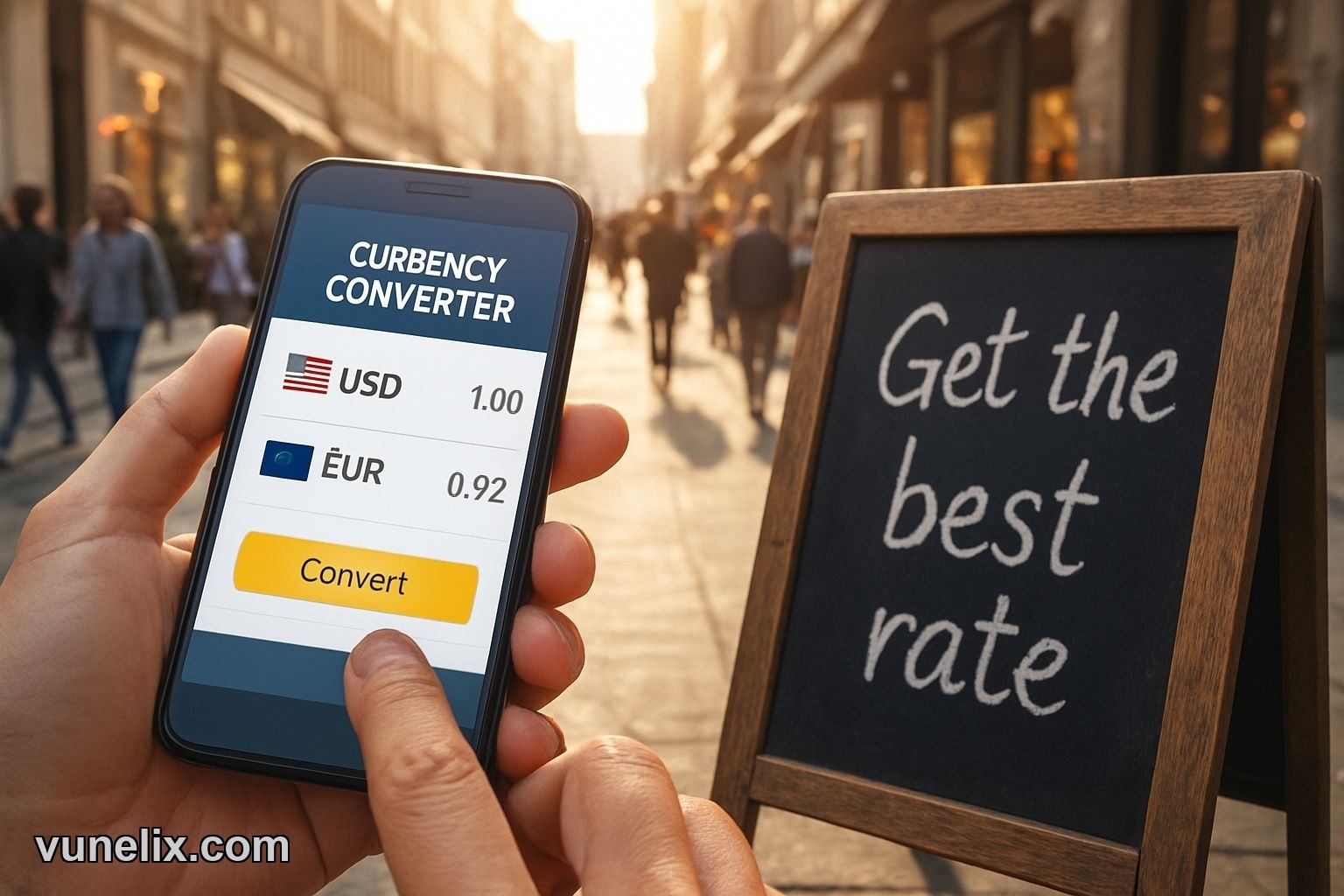
If you ever tried to figure out how two currencies compare without going through the US dollar, you know how confusing it gets. That's where currency cross rates come in. And the big question is, should you be using a static table or a live chart to track them? Let me break it down for you.
What Are Currency Cross Rates Anyway?
Currency cross rates are exchange rates between two currencies that don't involve the US dollar. So if you want to know the rate between the euro and the Japanese yen, that's a cross rate. Simple as that.
Traders, analysts, and fintech teams use these rates every single day. Getting them right matters. Getting them late or wrong? That can cost real money.
The Case for Static Tables
Static tables are those fixed grids you see on a lot of financial sites. They show you a snapshot of rates at a specific point in time. Think of it like a photo. It captures one moment.
Here's what's good about them:
- Easy to read and compare multiple pairs at once
- Great for research and offline reports
- Useful for educators putting together course material
- No internet connection needed once downloaded
- Simple to copy into spreadsheets or presentations
Researchers and educators especially love static tables. If you're writing a report on historical forex movements or teaching a class on international finance, a clean table does the job well.
But there's a catch. Static tables go stale fast. Currency markets move every second. A table from three hours ago is already outdated. For anyone making real trading decisions, that's a problem.
The Case for Live Currency Cross Rate Charts
Live charts are a different story. They update in real time and show you how a currency pair is moving right now, not hours ago.
Here's why traders prefer them:
- Real-time price updates
- Visual trend lines make patterns easier to spot
- Historical data overlays let you compare past and present
- Good for spotting entry and exit points
- Better for fast-moving markets
For financial analysts and traders, live charts are the go-to tool. Watching a chart move gives you context that a static number simply can't. You see the momentum. You see the direction. You see where the price has been and where it might go.
Platforms like Vunelix offer real-time forex charts covering 2000+ currency pairs. You get live data sourced from central banks, exchanges, and leading financial institutions around the world. That kind of depth matters when you're monitoring global markets.
Key Differences at a Glance
Here's a quick side-by-side so you can see exactly what you're working with:
| Feature | Static Table | Live Chart |
| Data freshness | Outdated quickly | Updates in real time |
| Best for | Research, education | Trading, analysis |
| Visual clarity | High for comparisons | High for trends |
| Interactivity | Low | High |
| Mobile friendly | Varies | Usually yes |
Who Should Use What?
This depends on what you actually need.
Go with static tables if:
- You're preparing a report or presentation
- You need offline access to data
- You're comparing rates across many currency pairs at once
- You're a teacher or researcher who needs clean reference data
Go with live charts if:
- You're actively trading or monitoring positions
- You need to catch market movements as they happen
- You want to analyze trends over different timeframes
- You're a fintech developer building tools that need current data
Most serious market participants end up using both. A static table gives you a broad overview. A live chart tells you what's happening right now.
Why Both Matter for Fintech Companies
Fintech companies often need to serve multiple users at once. Some users want quick reference data. Others need live feeds for their apps or dashboards.
A platform that offers both serves a wider audience. Vunelix, for example, provides live prices, charts, and a dedicated currency cross rates tool that works for traders, investors, and developers alike. No brokerage, no trading, just clean market data and analysis.
That's a smart setup because it means you're not forcing users to choose. You give them what they need, when they need it.
A Quick Real-World Example
Say you're a financial analyst tracking the EUR/GBP pair. You start your morning by pulling up a live chart to check overnight movements. You spot a dip. You check the broader cross rate table to see how the euro is performing against several other currencies. Now you have context.
That combination is more powerful than either tool alone. The table gives you the big picture. The chart gives you the detail.
Conclusion
Static tables and live currency cross rate charts aren't competing tools — they're complementary ones. Tables give you a broad, structured snapshot ideal for research, reporting, and side-by-side comparisons, while live charts give you the real-time momentum and trend visibility that active trading and market analysis demand. The smartest approach is knowing when each serves you best, and using a platform that offers both without friction. Vunelix delivers exactly that — real-time charts, live cross rate tables, a built-in currency converter, and data sourced from central banks and leading financial institutions, all completely free. Visit Vunelix today and get the currency cross rate tools you need, in one place.
What to Look for in a Good Cross Rate Tool
Not all tools are equal. Here's what to check before you rely on any platform:
- Does it update in real time?
- How many currency pairs does it cover?
- Can you view historical data?
- Is the interface clean and easy to use on mobile?
- Where does the data come from?
Data sourcing matters a lot. Rates that come from verified financial institutions and central banks are more reliable than those scraped from less authoritative places.
Frequently Asked Questions
What is the difference between a currency cross rate and a direct rate?
A direct rate involves the US dollar as one of the two currencies. A cross rate does not. For example, USD/JPY is a direct rate. EUR/JPY is a cross rate because it excludes the dollar entirely.
Are live charts more accurate than static tables?
They're more current, which for trading purposes is more useful. But accuracy depends on the data source, not the format. A well-sourced static table can be just as accurate at the moment it was generated.
Can beginners use live currency cross rate charts?
Yes. Most modern platforms design their charts to be user-friendly. You don't need deep technical knowledge to read a basic price chart. Over time, you can learn more advanced features like trend indicators and overlays.
How often do currency cross rates change?
Forex markets are open 24 hours a day, five days a week. Rates can change every few seconds during high-volume trading periods. That's why real-time data tools are so important for active traders.
Is Vunelix free to use?
Yes, Vunelix is a free platform. It provides real-time financial market data, live forex prices, charts, a currency converter, and cross rate tools at no cost. It is built for traders, analysts, investors, and developers who need reliable market data without paying for it.
Which is better for long-term currency research: static tables or live charts?
Static tables work better for long-term research because they let you compare many pairs in one view and save data for reports. That said, platforms that also offer historical chart data give you the best of both worlds for deeper analysis.

 English
 Arabic
 French
 Portuguese
 Deutsch
 Turkish
 Dutch
Dutch
 Italiano
 Russian
 Romaian
 Portuguese (Brazil)
 Greek
Greek